Introduction
During pregnancy, every bite a mother-to-be takes becomes crucial for the health and development of her baby. Among the various natural ingredients that pregnant women are increasingly turning to, Kashmiri saffron has emerged as a powerful ally. Renowned for its vibrant color, exquisite aroma, and numerous health benefits, Kashmiri saffron, also known as Kesar, is now being recognized as an essential addition to the diet of expecting mothers. But why exactly is Kashmiri saffron gaining popularity among pregnant women? This article delves into the reasons behind this trend, exploring the science, tradition, and benefits of including this golden spice in a pregnancy diet.
What is Kashmiri Saffron?
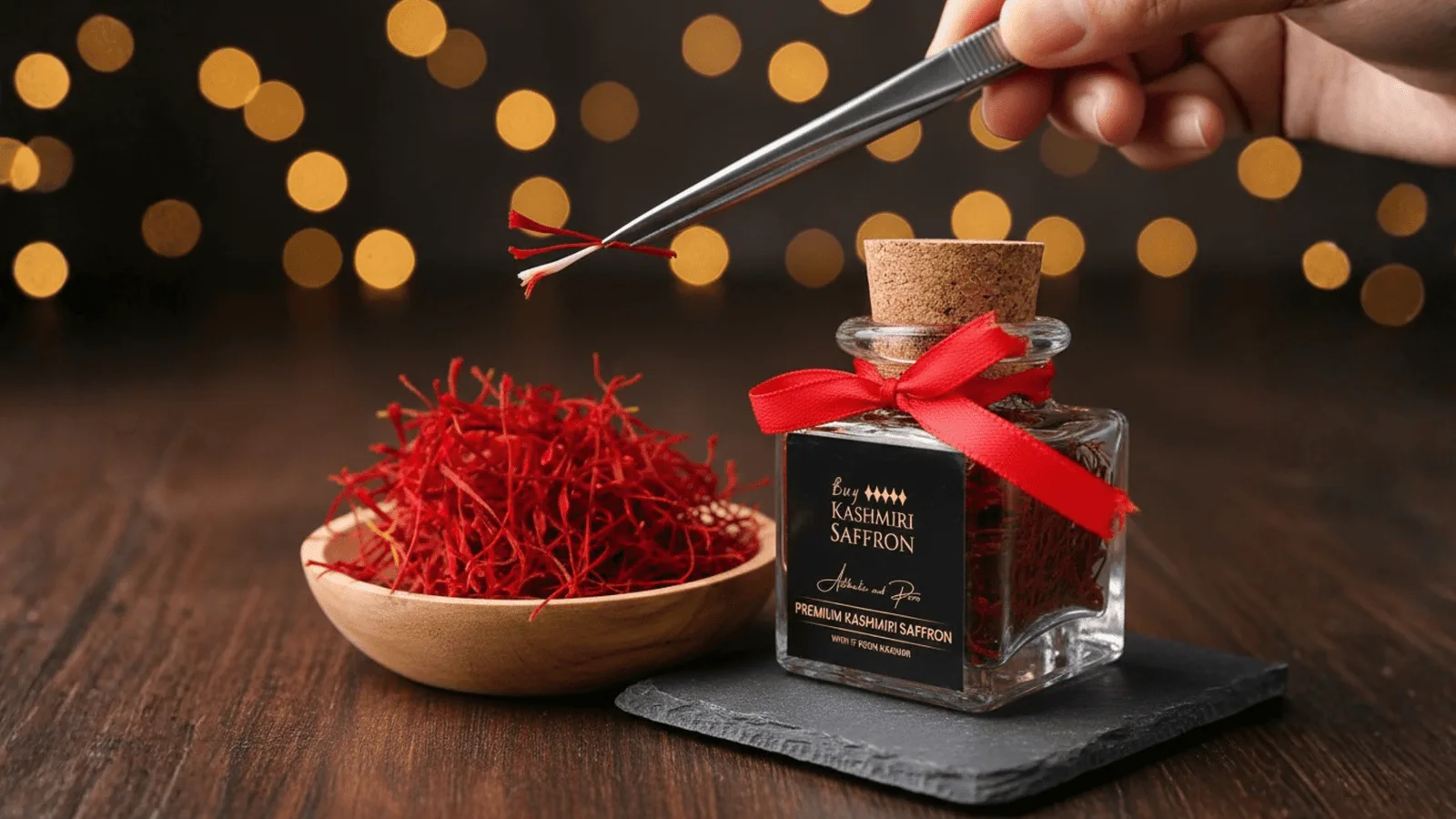
Kashmiri saffron is a precious spice derived from the stigma of the Crocus sativus flower, grown exclusively in the Kashmir Valley of India. Known as the most expensive spice in the world, Kashmiri saffron is celebrated for its deep red threads, strong flavor, and unparalleled quality. The unique climate and soil conditions in Kashmir contribute to the superior quality of its saffron, making it highly sought after across the globe.
The Rich Nutrient Profile of Kashmiri Saffron
Kashmiri saffron is packed with essential nutrients that are beneficial for overall health, especially during pregnancy. It is rich in:
- Carotenoids: These powerful antioxidants, including crocin, are responsible for saffron's vibrant color and contribute to its ability to fight oxidative stress.
- Vitamins: Kashmiri saffron contains vitamins such as riboflavin, folic acid, niacin, and vitamin C, which are vital for both maternal and fetal health.
- Minerals: Essential minerals like potassium, calcium, magnesium, and iron are present in saffron, supporting various bodily functions during pregnancy.
- Flavonoids: These compounds have anti-inflammatory and immune-boosting properties, making saffron a natural health booster.
Benefits of Kashmiri Saffron for Expecting Mothers
1. Promotes Digestive Health
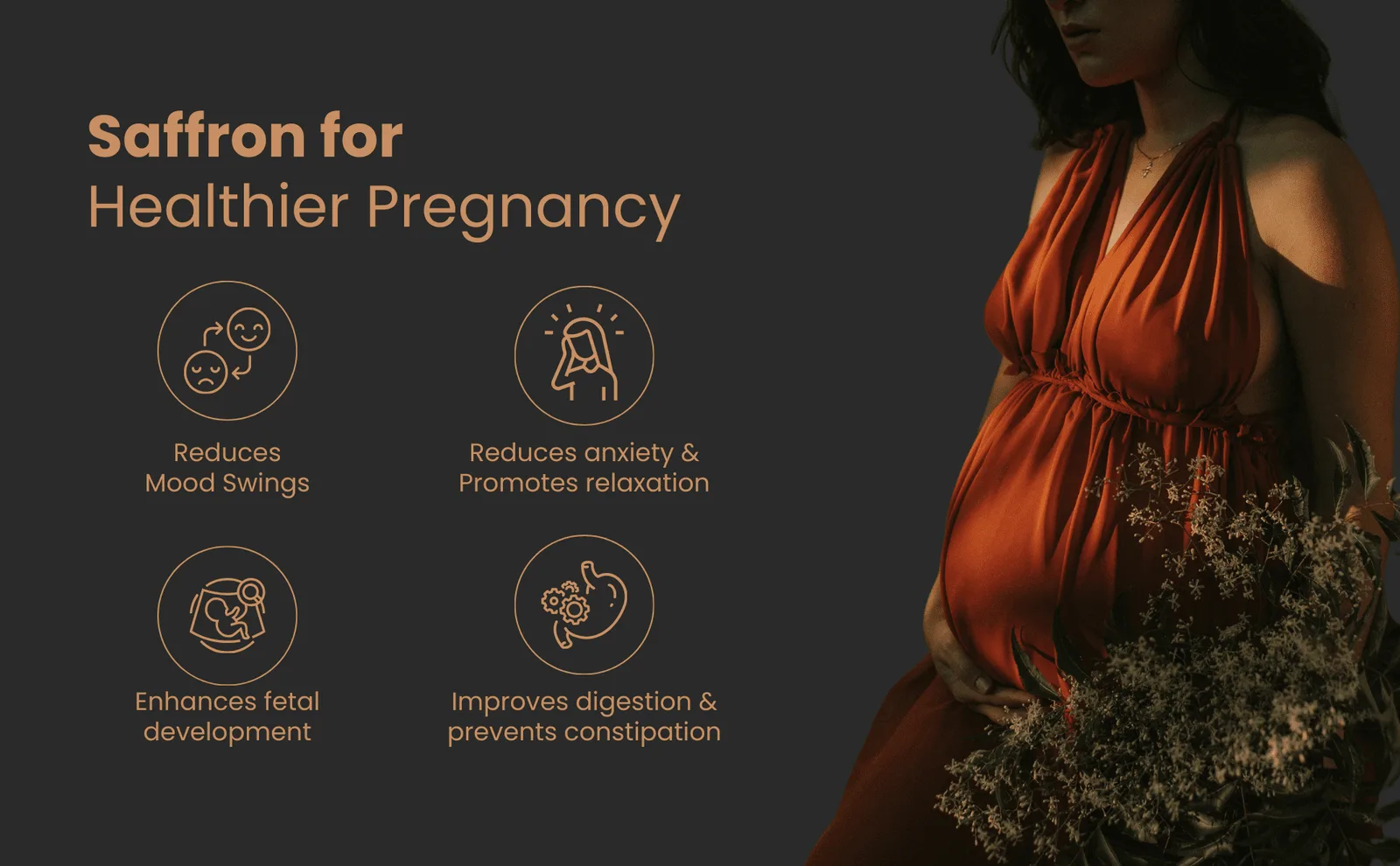
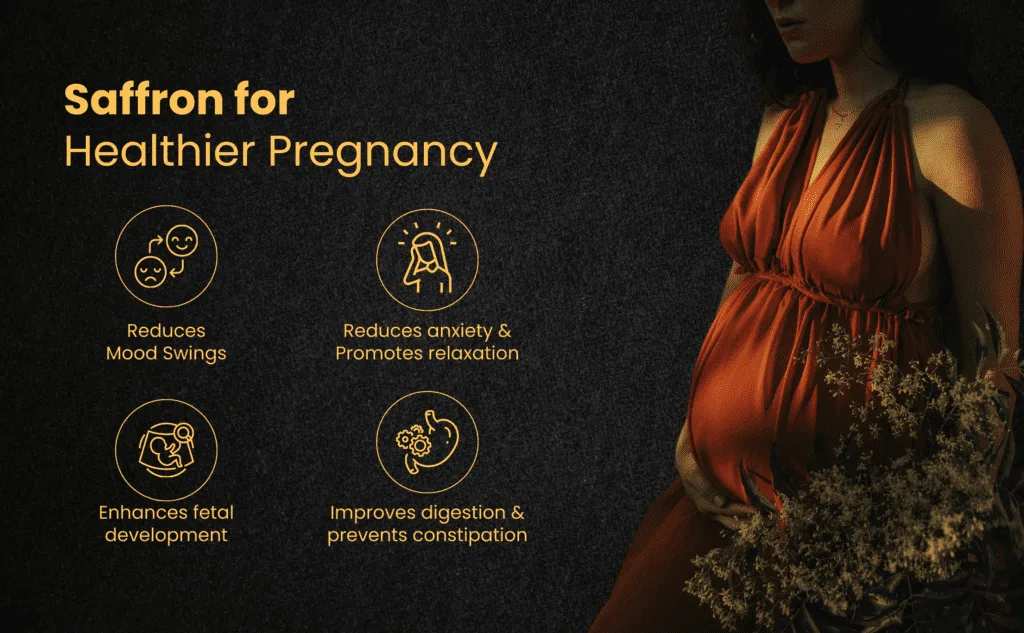
Pregnancy often brings about digestive issues such as bloating, constipation, and heartburn. Kashmiri saffron aids in digestion by increasing blood flow to the digestive organs and enhancing metabolism. Its anti-inflammatory properties help soothe the stomach lining, reducing acidity and discomfort.
2. Improves Mood and Reduces Anxiety
Hormonal changes during pregnancy can lead to mood swings, anxiety, and even depression. Kashmiri saffron is known for its mood-enhancing properties. The active compounds in saffron, particularly crocin and safranal, have been shown to increase serotonin levels in the brain, helping to stabilize mood and reduce stress.
3. Supports Healthy Blood Pressure
High blood pressure is a common concern during pregnancy, which can lead to complications if not managed properly. Kashmiri saffron contains potassium and crocin, both of which help in regulating blood pressure by relaxing the blood vessels and improving circulation.
4. Enhances Sleep Quality
Insomnia and disturbed sleep are frequent complaints among pregnant women. Saffron acts as a natural sedative, promoting relaxation and better sleep. Its calming effects can help pregnant women achieve a restful night's sleep, which is crucial for their health and the baby's development.
5. Boosts Immunity
A strong immune system is vital during pregnancy to protect both mother and baby from infections. Kashmiri saffron is rich in antioxidants and flavonoids that strengthen the immune system by neutralizing free radicals and reducing inflammation.
6. Aids in Iron Absorption
Iron deficiency is a common issue during pregnancy, leading to anemia and fatigue. The vitamin C content in Kashmiri saffron enhances the absorption of iron from the diet, ensuring that the mother and baby receive an adequate supply of this essential mineral.
7. Eases Morning Sickness
Nausea and vomiting are typical symptoms during the first trimester of pregnancy. Kashmiri saffron can help alleviate morning sickness due to its soothing properties. Drinking saffron-infused milk or water can calm the stomach and reduce the urge to vomit.
8. Supports Fetal Development
The nutrients in Kashmiri saffron, especially folic acid, play a critical role in the development of the fetal brain and nervous system. Regular consumption of saffron during pregnancy can contribute to the healthy growth and development of the baby.
9. Relieves Muscle Cramps
Muscle cramps, particularly in the legs, are a common discomfort during pregnancy. Saffron's anti-inflammatory properties help relax muscles and reduce cramps, providing relief to pregnant women.
10. Promotes Healthy Skin
Pregnancy can bring about various skin issues, such as acne, pigmentation, and dryness. Kashmiri saffron is known for its skin-enhancing benefits. Applying saffron-infused oil or consuming it can improve skin tone, reduce blemishes, and give the skin a natural glow.
How to Include Kashmiri Saffron in Your Pregnancy Diet
Incorporating Kashmiri saffron into your diet during pregnancy is simple and can be done in various ways:
- Saffron Milk: One of the most popular ways to consume saffron is by adding a few strands to a glass of warm milk. This not only enhances the flavor but also maximizes the absorption of saffron's nutrients.
- Saffron Water: Soak a few saffron strands in water overnight and drink it in the morning. This is a great way to start your day with a refreshing and nutrient-rich beverage.
- Saffron Tea: Brew a soothing cup of saffron tea by steeping a few strands in hot water along with other herbs like ginger or cardamom.
- Saffron in Food: Add saffron to your dishes, such as rice, curries, and desserts, to enhance their flavor and nutritional value.
- Saffron Supplements: If you find it challenging to include saffron in your diet, consider saffron supplements after consulting your healthcare provider.
Safety Precautions When Using Kashmiri Saffron During Pregnancy
While Kashmiri saffron offers numerous benefits during pregnancy, it's essential to use it in moderation. Excessive consumption of saffron can lead to side effects such as dizziness, nausea, and, in extreme cases, uterine contractions. Here are some safety tips:
- Dosage: Limit your saffron intake to 2-3 strands per day. This small amount is sufficient to reap the benefits without any adverse effects.
- Consultation: Always consult your healthcare provider before including saffron in your diet, especially if you have any pre-existing health conditions or are on medication.
- Quality: Ensure that you are using high-quality, pure Kashmiri saffron from a trusted source to avoid adulterated or synthetic products.
Conclusion
Kashmiri saffron is more than just a spice; it's a powerhouse of nutrients that can significantly benefit expecting mothers. From enhancing mood and sleep quality to supporting digestion and fetal development, the benefits of including Kashmiri saffron in a pregnancy diet are numerous. However, moderation is key, and it's always best to consult with a healthcare provider before making any significant changes to your diet. By choosing pure Kashmiri saffron, expecting mothers can enjoy a healthy and happy pregnancy while giving their baby the best possible start in life.
Incorporating high-quality, pure Kashmiri saffron into the diet of expecting mothers can have numerous benefits for both mother and baby. From improving mood and sleep quality to supporting digestion and fetal development, Kashmiri saffron is a nutritional powerhouse. However, it is important to use trusted sources to ensure the authenticity and purity of the saffron. Prioritizing consultation with a healthcare provider is crucial before making any significant dietary changes during pregnancy. Start your journey towards a healthy and happy pregnancy by choosing pure Kashmiri saffron from Buy Kashmiri Saffron.
- -60%
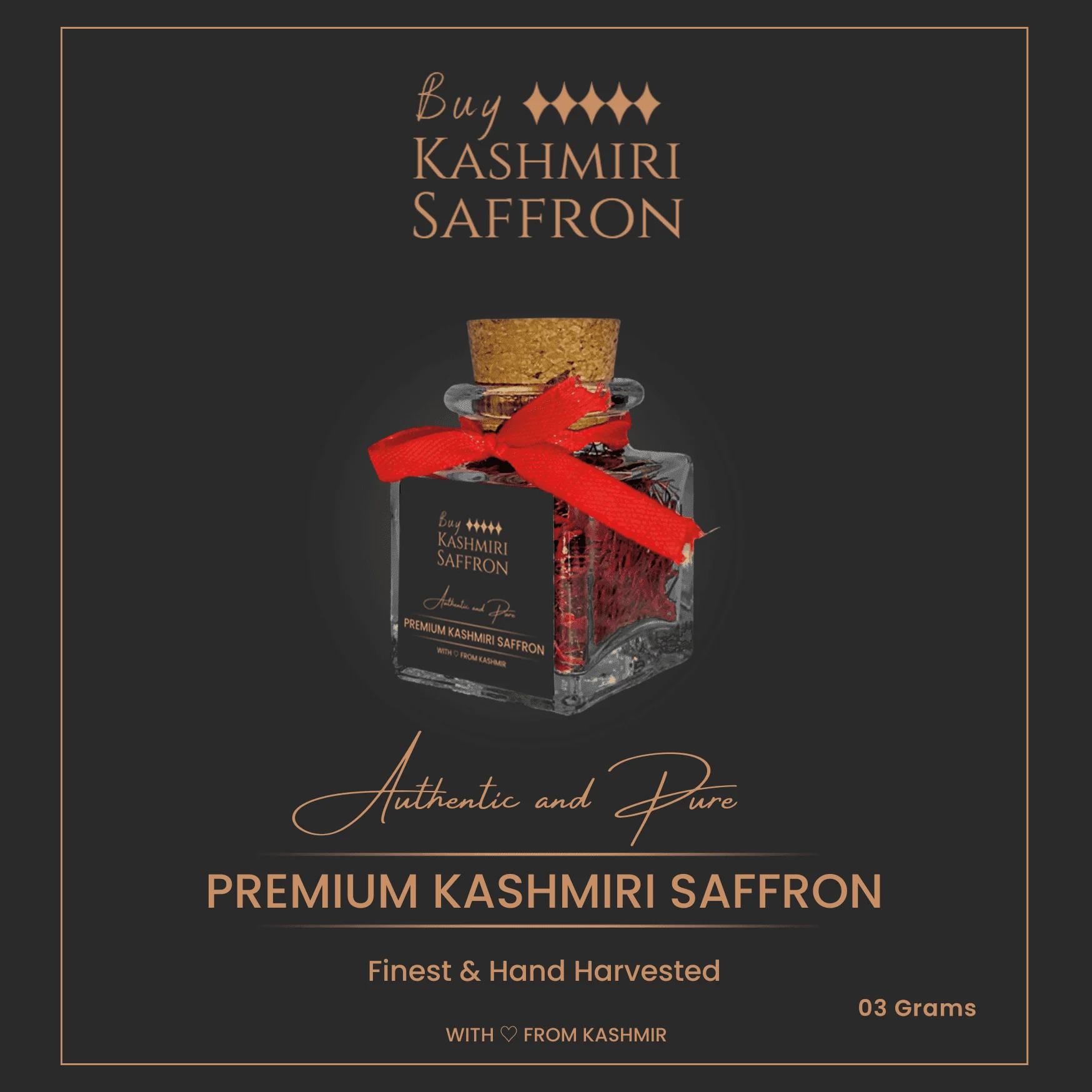
Premium Kashmir Saffron Kesar (Mogra) 3 Gm
Original price was: ₹2,999.00.₹1,199.00Current price is: ₹1,199.00. - -58%
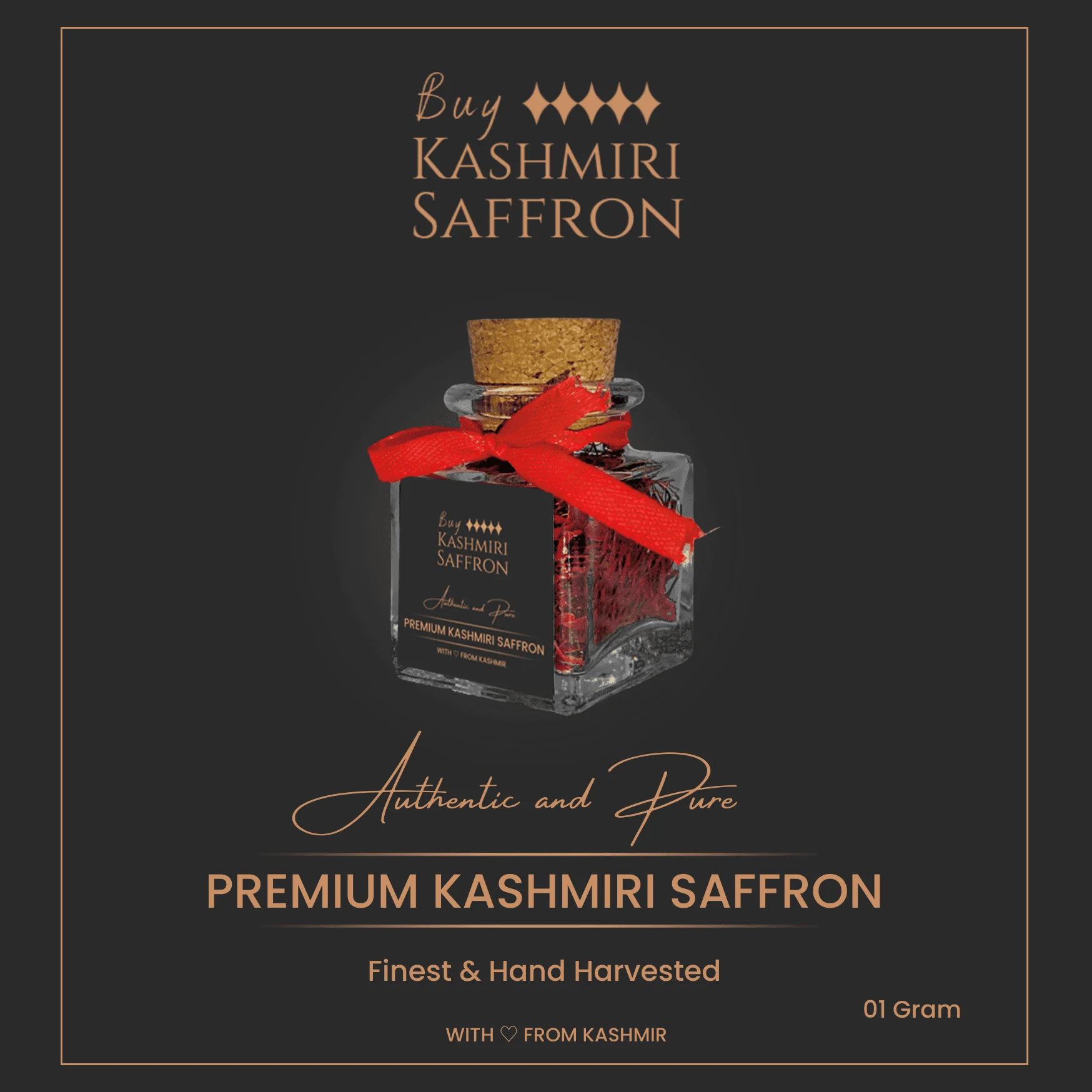
Premium Kashmiri Saffron (Mogra) 1 Gm
Original price was: ₹999.00.₹419.00Current price is: ₹419.00. - -60%
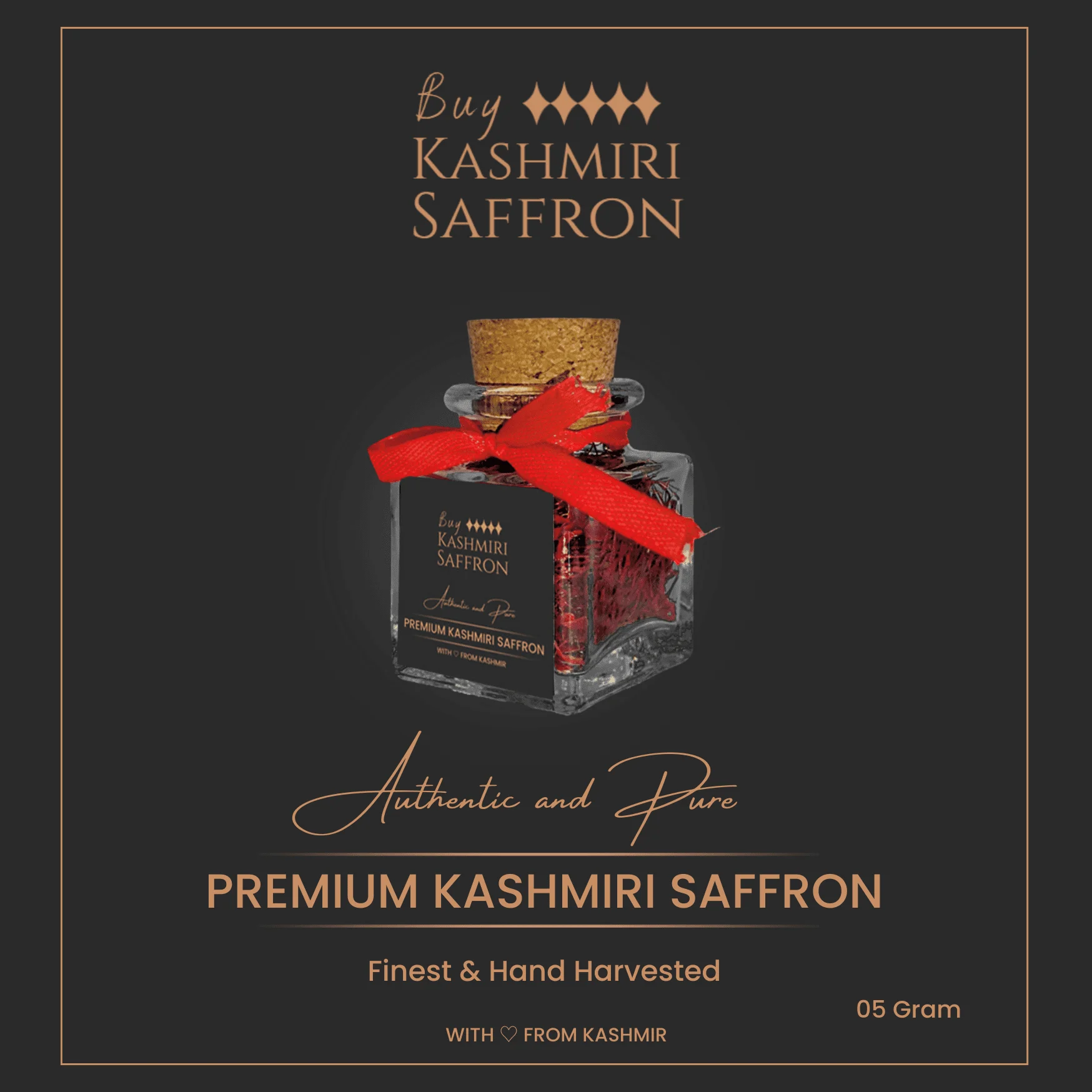
Premium Kashmiri Saffron Mogra (5 Gm)
Original price was: ₹4,999.00.₹1,999.00Current price is: ₹1,999.00. - -59%
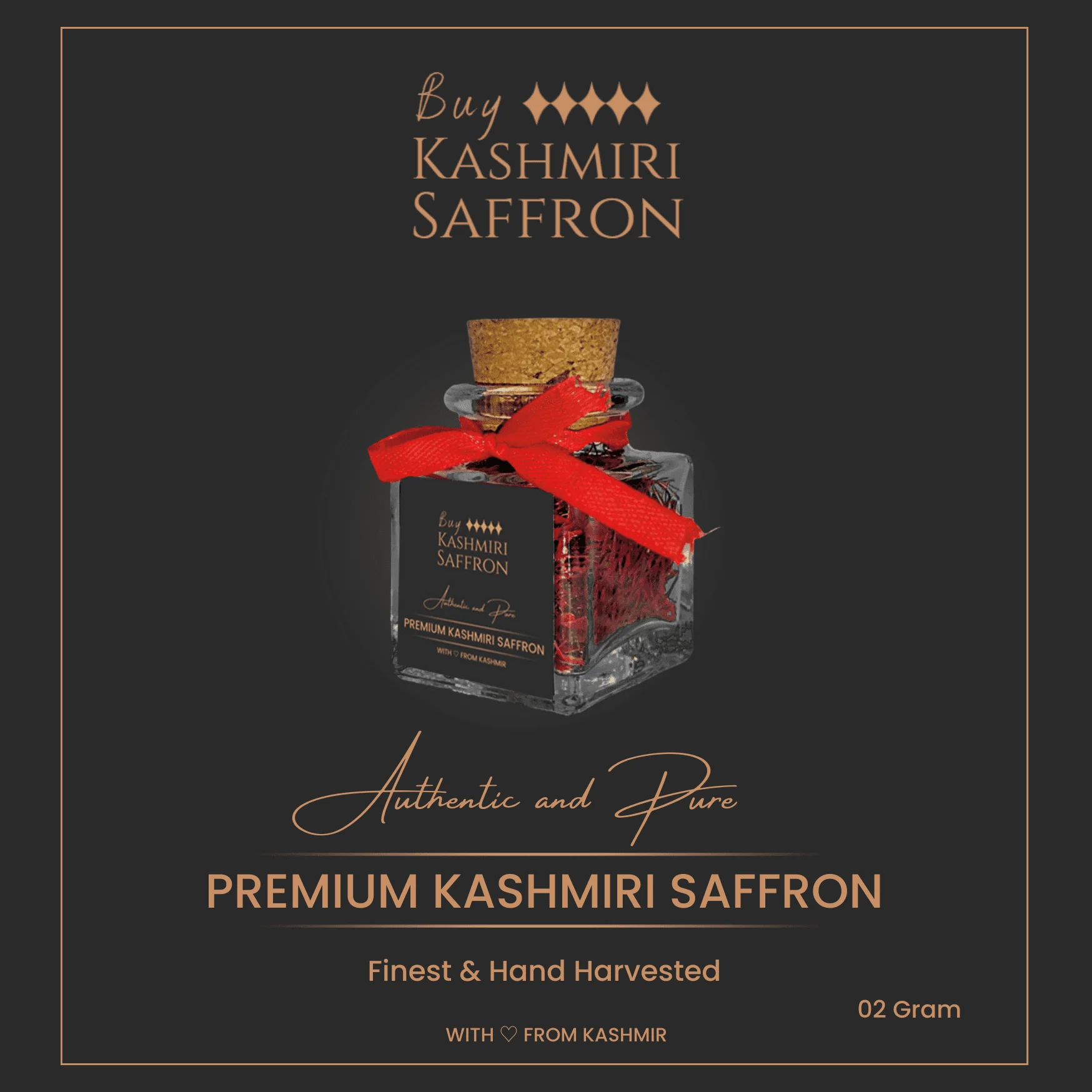
Premium Kashmiri Saffron Mogra 2 Gm
Original price was: ₹1,999.00.₹820.00Current price is: ₹820.00. - -60%
Premium Kashmiri Saffron Mogra 3gm (Pack of 2)
Original price was: ₹5,999.00.₹2,399.00Current price is: ₹2,399.00.