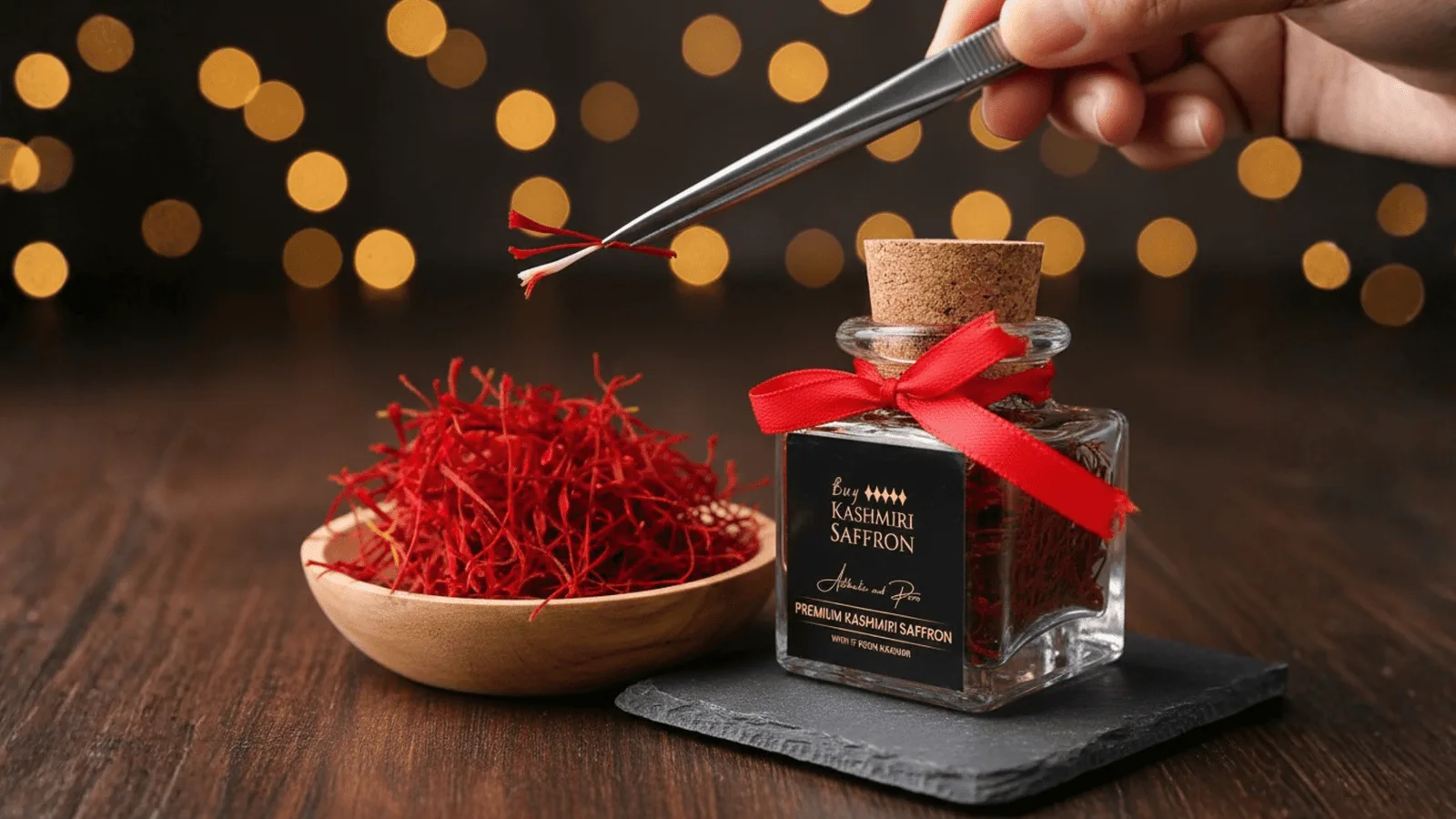
Saffron Benefits During Pregnancy have been celebrated in traditional medicine for centuries, offering natural support for maternal health and fetal development. This comprehensive guide explores the scientific evidence, safety considerations, and practical applications of saffron during pregnancy, helping expectant mothers make informed decisions about incorporating this precious spice into their wellness routine.
What is Saffron?
Saffron, scientifically known as Crocus sativus, is the world's most precious spice, derived from the dried stigmas of the saffron crocus flower. This golden-red treasure contains powerful bioactive compounds including crocin, crocetin, safranal, and picrocrocin, which contribute to its remarkable therapeutic properties and health benefits.
When it comes to
saffron benefits during pregnancy, the spice offers a natural alternative to synthetic supplements, providing essential nutrients and therapeutic compounds that support both maternal health and fetal development. However, understanding the proper usage, safety guidelines, and scientific evidence is crucial for expectant mothers.
Historical Use in Pregnancy
Saffron has been used in traditional medicine systems for pregnancy support for thousands of years:
- Ayurvedic Medicine: Traditional Indian system recommends saffron for maternal health
- Persian Medicine: Ancient Persian texts describe saffron use during pregnancy
- Traditional Chinese Medicine: Saffron used for pregnancy-related health concerns
- Cultural Practices: Various cultures incorporate saffron in pregnancy diets
- Ceremonial Use: Saffron included in pregnancy celebrations and rituals
Saffron During Pregnancy Overview
Understanding Pregnancy and Saffron
Pregnancy is a unique physiological state that requires careful consideration of all substances consumed.
Saffron benefits during pregnancy must be evaluated within this context, considering both the potential benefits and risks for both mother and developing baby.
Pregnancy Phases and Saffron Use
Different pregnancy phases have different considerations for saffron consumption:
First Trimester (Weeks 1-12)
- Critical Period: Major organ development occurs
- Saffron Use: Generally not recommended
- Risks: Potential uterine stimulation
- Alternatives: Focus on essential prenatal vitamins
- Consultation: Always consult healthcare provider
Second Trimester (Weeks 13-26)
- Development Stage: Fetal growth and development
- Saffron Use: Can begin with medical approval
- Benefits: May support maternal health
- Dosage: Start with minimal amounts
- Monitoring: Watch for any adverse reactions
Third Trimester (Weeks 27-40)
- Final Stage: Preparation for delivery
- Saffron Use: Generally safe with medical approval
- Benefits: May support preparation for labor
- Dosage: Moderate amounts acceptable
- Preparation: May help with delivery preparation
Saffron Benefits During Pregnancy
1. Mood Enhancement and Stress Reduction
One of the most significant
saffron benefits during pregnancy is its ability to support emotional well-being. Pregnancy can be an emotionally challenging time, and saffron's natural compounds have been shown to act as mild antidepressants and mood stabilizers.
Scientific Evidence
Research supports saffron's mood-enhancing properties:
- Serotonin Regulation: Increases serotonin levels naturally
- Stress Reduction: Helps reduce pregnancy-related stress
- Anxiety Management: Natural anxiety relief properties
- Emotional Balance: Promotes emotional stability
- Hormone Support: Helps balance pregnancy hormones
Pregnancy-Specific Benefits
Mood support is particularly valuable during pregnancy:
- Reduced Stress: Lower stress levels benefit fetal development
- Better Sleep: Improved mood often leads to better sleep
- Emotional Stability: More stable emotional state
- Bonding Support: Better emotional connection with baby
- Overall Wellness: Improved pregnancy experience
2. Digestive Health Support
Pregnancy often brings digestive challenges, and saffron can provide natural support:
Common Pregnancy Digestive Issues
- Morning Sickness: Nausea and vomiting in early pregnancy
- Indigestion: Heartburn and acid reflux
- Constipation: Common due to hormonal changes
- Bloating: Gas and abdominal discomfort
- Appetite Changes: Fluctuating hunger patterns
How Saffron Helps
Saffron's digestive benefits during pregnancy:
- Nausea Reduction: Natural anti-nausea properties
- Digestive Stimulation: Promotes healthy digestion
- Inflammation Reduction: Anti-inflammatory effects on gut
- Appetite Regulation: Helps normalize eating patterns
- Nutrient Absorption: Improves absorption of essential nutrients
3. Immune System Strengthening
Maintaining a strong immune system during pregnancy is crucial:
Pregnancy Immune Challenges
- Immune Suppression: Natural immune suppression during pregnancy
- Infection Risk: Increased vulnerability to infections
- Seasonal Illnesses: Higher risk during cold and flu season
- Stress Impact: Stress can weaken immune function
- Nutrient Demands: Higher nutritional requirements
Saffron's Immune Support
How saffron strengthens immunity during pregnancy:
- Antioxidant Protection: Rich in immune-boosting antioxidants
- Anti-Inflammatory: Reduces inflammation that can weaken immunity
- Nutrient Support: Provides essential immune-supporting nutrients
- Stress Reduction: Lower stress supports immune function
- Natural Defense: Enhances body's natural defense mechanisms
4. Skin Health and Beauty Enhancement
Pregnancy can bring changes to skin health, and saffron offers natural support:
Common Pregnancy Skin Issues
- Hormonal Changes: Acne and skin sensitivity
- Stretch Marks: Skin stretching and marking
- Pigmentation Changes: Melasma and dark spots
- Dryness: Dehydrated skin
- Itching: Pruritus and skin irritation
Saffron's Skin Benefits
How saffron supports skin health during pregnancy:
- Antioxidant Protection: Protects skin from free radical damage
- Anti-Inflammatory: Reduces skin inflammation and irritation
- Collagen Support: Helps maintain skin elasticity
- Natural Glow: Promotes healthy, radiant skin
- Healing Support: Aids in skin repair and regeneration
5. Blood Circulation and Oxygenation
Healthy blood circulation is essential during pregnancy:
Circulation Importance During Pregnancy
- Fetal Development: Proper blood flow supports baby's growth
- Nutrient Delivery: Blood carries essential nutrients to baby
- Oxygen Supply: Adequate oxygen for fetal development
- Waste Removal: Efficient removal of metabolic waste
- Maternal Health: Good circulation supports mother's health
Saffron's Circulation Benefits
How saffron supports healthy circulation:
- Blood Flow Enhancement: Improves blood circulation
- Vessel Health: Supports healthy blood vessels
- Oxygen Delivery: Enhances oxygen delivery to tissues
- Nutrient Transport: Improves nutrient transport efficiency
- Circulation Regulation: Helps maintain optimal blood flow
6. Sleep Quality Improvement
Quality sleep is essential during pregnancy, and saffron can help:
Pregnancy Sleep Challenges
- Hormonal Changes: Pregnancy hormones affect sleep patterns
- Physical Discomfort: Growing belly and physical changes
- Frequent Urination: Nighttime bathroom visits
- Anxiety and Stress: Pregnancy-related worries
- Restless Legs: Common pregnancy symptom
Saffron's Sleep Benefits
How saffron promotes better sleep during pregnancy:
- Natural Relaxation: Mild sedative properties
- Stress Reduction: Lower stress improves sleep quality
- Hormone Balance: Helps regulate sleep hormones
- Calming Effects: Natural calming properties
- Sleep Onset: Helps fall asleep more easily
Safety Considerations for Saffron During Pregnancy
Critical Safety Guidelines
While saffron can offer benefits during pregnancy, it's essential to follow strict safety guidelines:
General Safety Principles
- Medical Consultation: Always discuss with healthcare provider
- Individual Assessment: Consider personal health factors
- Quality Assurance: Use only premium quality saffron
- Moderation: Use only in recommended amounts
- Monitoring: Watch for any adverse reactions
When to Avoid Saffron
Specific situations where saffron should be avoided:
- High-Risk Pregnancies: Complications or medical conditions
- Previous Miscarriages: History of pregnancy loss
- Bleeding Disorders: Conditions affecting blood clotting
- Uterine Issues: Problems with uterine function
- Medication Interactions: Taking medications that may interact
First Trimester Precautions
The first trimester requires special caution:
Why First Trimester is Critical
- Organ Development: Major organs form during this period
- Uterine Sensitivity: Uterus is more sensitive to stimulation
- Hormonal Changes: Rapid hormonal fluctuations
- Risk Factors: Higher risk of complications
- Medical Guidance: Requires careful medical supervision
Safe Alternatives
What to use instead of saffron in first trimester:
- Prenatal Vitamins: Essential nutrients for pregnancy
- Folic Acid: Critical for neural tube development
- Iron Supplements: Prevent pregnancy anemia
- Calcium Supplements: Support bone development
- Natural Foods: Fresh fruits, vegetables, and whole grains
Scientific Evidence and Studies
Understanding the research on saffron during pregnancy:
Available Research
- Limited Studies: Pregnancy-specific research is limited
- Traditional Use: Centuries of traditional use
- Animal Studies: Some animal research available
- Safety Data: Limited safety data for pregnancy
- Expert Opinions: Mixed opinions from healthcare professionals
Research Limitations
Why pregnancy research is challenging:
- Ethical Considerations: Limited human pregnancy studies
- Safety Concerns: Risk to mother and baby
- Individual Variations: Different responses in different women
- Long-term Effects: Unknown long-term impacts
- Quality Variations: Different saffron quality affects results
Safe Dosage Guidelines for Saffron During Pregnancy
Recommended Dosage by Trimester
Safe saffron consumption varies by pregnancy stage:
Second Trimester Guidelines
- Starting Amount: 1 strand of premium saffron
- Frequency: 2-3 times per week maximum
- Preparation Method: Always dilute in other foods
- Monitoring: Watch for any adverse reactions
- Medical Approval: Must have doctor's approval
Third Trimester Guidelines
- Amount: 1-2 strands of premium saffron
- Frequency: 3-4 times per week maximum
- Preparation Method: Dilute in foods or beverages
- Quality Control: Use only highest quality saffron
- Regular Monitoring: Consistent health monitoring
Safe Preparation Methods
Proper preparation ensures safety during pregnancy:
Dilution Requirements
- Never Consume Raw: Always dilute saffron
- Food Integration: Mix with other foods
- Beverage Addition: Add to milk, tea, or water
- Cooking Integration: Use in cooked dishes
- Gradual Introduction: Start with minimal amounts
Preparation Techniques
- Soaking: Soak saffron in warm liquid for 15-20 minutes
- Dilution: Mix with other ingredients
- Heating: Use in heated preparations
- Combination: Combine with other safe ingredients
- Storage: Store prepared items properly
Dosage Monitoring and Adjustment
Regular monitoring ensures safe consumption:
- Start Low: Begin with minimal amounts
- Gradual Increase: Increase slowly if tolerated
- Response Monitoring: Watch for any reactions
- Medical Consultation: Regular check-ins with doctor
- Adjustment Needed: Modify based on individual response
Safe Saffron Recipes for Pregnant Women
1. Saffron Milk (Kesar Doodh)
Ingredients:
- 1 cup warm milk
- 1 strand of premium Kashmiri saffron
- 1 teaspoon honey (optional)
- 1/4 teaspoon cardamom powder
- 1 tablespoon chopped almonds
Method:
- Soak saffron strand in 2 tablespoons of warm milk for 15 minutes
- Heat remaining milk gently
- Add soaked saffron and cardamom
- Simmer for 5 minutes on low heat
- Add honey if desired and garnish with almonds
- Serve warm
Safety Note: Consume only 2-3 times per week maximum.
2. Saffron Rice (Kesar Pulao)
Ingredients:
- 1 cup basmati rice
- 1 strand of saffron
- 2 cups water
- 1 tablespoon ghee
- 1/4 teaspoon cardamom powder
- Salt to taste
- 1/4 cup mixed vegetables
Method:
- Soak saffron in 2 tablespoons of warm water
- Cook rice with saffron water and other ingredients
- Serve as a side dish
Safety Note: This recipe provides very minimal saffron exposure.
3. Saffron Tea (Diluted)
Ingredients:
- 1 cup warm water
- 1/2 strand of saffron
- 1 teaspoon honey
- 1/4 teaspoon ginger powder
- 1/4 teaspoon cardamom powder
Method:
- Steep saffron in warm water for 5 minutes
- Add honey, ginger, and cardamom
- Strain and serve
Safety Note: Use only occasionally, not daily.
4. Saffron Yogurt
Ingredients:
- 1 cup plain yogurt
- 1/2 strand of saffron
- 1 teaspoon honey
- 1/4 cup chopped fruits
- 1 tablespoon chopped nuts
Method:
- Soak saffron in 1 tablespoon warm water
- Mix with yogurt and honey
- Top with fruits and nuts
- Serve chilled
Safety Note: Consume 2-3 times per week maximum.
Best Time to Consume Saffron During Pregnancy
Optimal Timing for Consumption
When consuming
saffron benefits during pregnancy, timing is important:
Daily Timing Considerations
- Morning: Best for energy and mood support
- Afternoon: Good for digestive support
- Evening: Ideal for relaxation and sleep support
- With Meals: Always consume with food
- Consistent Schedule: Maintain regular timing
Seasonal Considerations
Adjust usage based on seasons:
- Winter: Saffron milk provides warmth and comfort
- Summer: Diluted saffron water for cooling effects
- Monsoon: Saffron tea for immunity support
- Spring: Light saffron preparations for seasonal wellness
Meal Integration Strategies
Integrating saffron into pregnancy diet:
- Breakfast: Saffron milk or yogurt
- Lunch: Saffron rice or soup
- Dinner: Light saffron preparations
- Snacks: Saffron-infused beverages
- Desserts: Occasional saffron sweets
Side Effects and Precautions
Potential Side Effects
While rare, some pregnant women may experience:
Common Side Effects
- Allergic Reactions: Skin rashes, itching, or swelling
- Digestive Issues: Nausea, stomach upset, or diarrhea
- Dizziness: May occur with excessive consumption
- Uterine Contractions: In rare cases, may stimulate uterine activity
- Blood Pressure Changes: May affect blood pressure
Severe Reactions
- Vaginal Bleeding: Any unusual bleeding
- Severe Cramping: Intense abdominal pain
- Dizziness: Severe lightheadedness
- Allergic Reactions: Difficulty breathing or severe swelling
- Fetal Movement Changes: Unusual fetal activity
Warning Signs and Emergency Actions
Immediate actions for severe reactions:
When to Seek Emergency Care
- Stop Consumption: Immediately discontinue saffron use
- Contact Healthcare Provider: Call doctor immediately
- Emergency Room: Go to ER if symptoms are severe
- Document Symptoms: Record what you consumed and when
- Follow Medical Advice: Follow doctor's instructions exactly
Prevention Strategies
Preventing side effects during pregnancy:
- Start Small: Begin with minimal amounts
- Quality Control: Use only premium quality saffron
- Medical Supervision: Regular check-ins with doctor
- Monitoring: Watch for any adverse reactions
- Gradual Introduction: Increase amounts slowly
How to Buy Best Quality Saffron for Pregnancy
Quality Indicators for Pregnancy Use
When purchasing saffron for use during pregnancy, look for:
Essential Quality Markers
- Origin: Certified Kashmir GI tag
- Colour: Deep red-orange with purple tinge
- Aroma: Strong, distinctive floral fragrance
- Thread Quality: Long, unbroken stigmas
- Certification: Organic and purity certifications
- Freshness: Recent harvest date for maximum potency
Pregnancy-Specific Considerations
- Purity Assurance: No artificial additives or chemicals
- Testing Reports: Laboratory test results available
- Storage Conditions: Proper storage and handling
- Supplier Reputation: Trusted and verified source
- Return Policy: Quality guarantee and return options
Recommended Sources
For the best quality saffron during pregnancy, purchase from trusted sources like
buykashmirisaffron.com. Their commitment to authenticity ensures you receive premium Kashmiri saffron that meets the highest quality standards for pregnancy use.
Storage Recommendations
To maintain saffron quality during pregnancy:
- Store in airtight glass containers
- Keep in cool, dark location
- Avoid exposure to moisture and light
- Use within 1-2 years for optimal potency
- Check for any changes in colour or aroma before use
Frequently Asked Questions
Is it safe to consume saffron during pregnancy?
Saffron can be safe during pregnancy when used in moderation and with medical approval. However, it should be avoided during the first trimester and used only in small amounts during the second and third trimesters. Always consult your healthcare provider before use.
How much saffron can I safely consume while pregnant?
During pregnancy, limit saffron consumption to 1-2 strands maximum, 2-3 times per week. Always dilute it in other foods or beverages and avoid daily consumption. Start with minimal amounts and increase gradually if tolerated.
When should I start using saffron during pregnancy?
Wait until the second trimester to begin using saffron, and only after consulting your healthcare provider. The first trimester should be completely avoided due to potential risks to fetal development.
Can saffron help with morning sickness?
Some women find that small amounts of saffron help reduce morning sickness, but this varies by individual. Always use minimal amounts and discontinue if symptoms worsen. Consult your doctor for severe morning sickness.
Are there any foods I should avoid while using saffron during pregnancy?
When using saffron during pregnancy, avoid combining it with other strong spices or herbs that may have uterine-stimulating effects. Also avoid excessive consumption of any single ingredient and maintain a balanced diet.
Can saffron affect my baby's development?
When used in moderation and with medical approval, saffron is unlikely to negatively affect fetal development. However, excessive consumption may pose risks, which is why strict dosage guidelines must be followed.
What should I do if I experience side effects from saffron during pregnancy?
If you experience any side effects, immediately discontinue saffron use and contact your healthcare provider. Go to the emergency room if symptoms are severe, especially if you experience bleeding or severe cramping.
Can I use saffron after giving birth?
Yes, saffron can be beneficial postpartum for recovery, mood support, and lactation enhancement. You can gradually increase usage after delivery, but always start with small amounts and monitor your response.
Conclusion
Using
saffron benefits during pregnancy can offer several benefits when approached with caution and proper guidance. The spice's traditional use in supporting maternal health is supported by its rich nutritional profile and therapeutic properties. However, safety must always be the priority.
Remember that every pregnancy is unique, and what works for one woman may not be suitable for another. Always consult your healthcare provider before incorporating saffron into your pregnancy diet, and follow the safety guidelines outlined in this guide.
When used responsibly, saffron can be a valuable addition to your pregnancy wellness routine, supporting both your health and your baby's development. Choose premium quality saffron from trusted sources like
buykashmirisaffron.com to ensure you're getting the best possible product for this special time in your life.
For more information on saffron benefits, explore our guides on
Kashmiri Saffron Price,
Saffron Dosage Guide, and
Saffron Kashmir Guide.
According to
NCBI research, saffron contains compounds that may support maternal health during pregnancy. The
WebMD studies confirm that while saffron has beneficial properties, pregnancy-specific research is limited and medical consultation is essential.