How to Identify Authentic Kashmiri Saffron is a crucial skill for anyone seeking to purchase the world's most precious spice. This comprehensive guide reveals expert techniques, visual indicators, and testing methods to distinguish genuine Kashmiri saffron from counterfeit products, ensuring you get the premium quality and therapeutic benefits you're paying for.
What is Kashmiri Saffron?
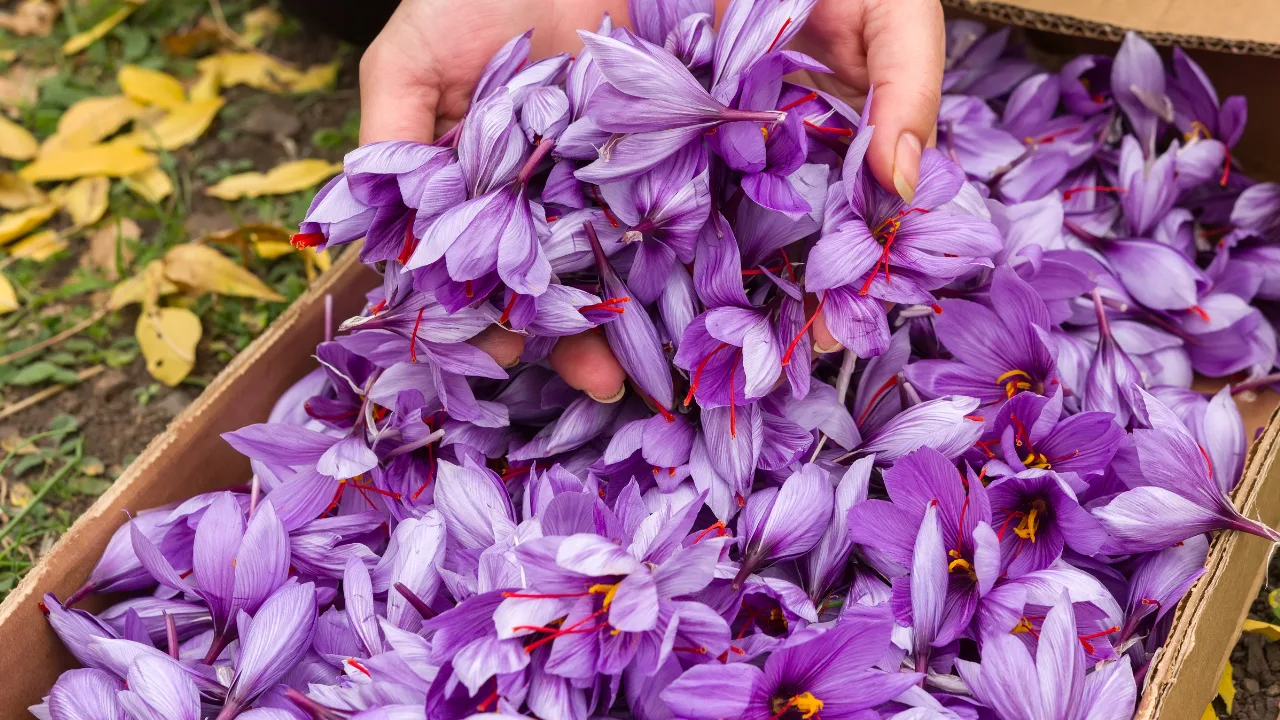
Kashmiri saffron, scientifically known as Crocus sativus, is the world's most precious spice, cultivated exclusively in the pristine valleys of Kashmir at altitudes between 1,600 to 2,400 meters above sea level. This golden-red treasure represents the pinnacle of saffron quality, distinguished by its unique growing conditions, traditional cultivation methods, and exceptional bioactive compound content.
Understanding
how to identify authentic Kashmiri saffron begins with recognizing what makes it special. The region's unique microclimate, characterized by cold winters, moderate summers, and well-drained soil rich in organic matter, creates ideal growing conditions that cannot be replicated elsewhere. This results in saffron with the highest concentration of crocin, crocetin, and safranal compounds in the world.
Geographical Indication (GI) Tag
Kashmiri saffron holds a prestigious Geographical Indication (GI) tag, which legally protects its origin and quality standards. This certification ensures that only saffron grown in specific regions of Kashmir can be labeled as "Kashmiri Saffron," providing consumers with assurance of authenticity and quality.
Traditional Cultivation Methods
The cultivation process in Kashmir follows traditional methods passed down through generations. Farmers carefully hand-pick the delicate saffron flowers during the brief harvesting window in October and November. Each flower produces only three precious stigmas, requiring approximately 150,000 flowers to yield just one kilogram of dried saffron.
Why Saffron Authenticity Matters
Health and Safety Concerns
Counterfeit saffron can pose serious health risks:
- Chemical Additives: Fake saffron may contain harmful dyes and chemicals
- Allergic Reactions: Unknown ingredients can cause severe allergic responses
- Reduced Benefits: Counterfeit products lack therapeutic properties
- Contamination: Impure saffron may contain harmful substances
- Long-term Effects: Regular consumption of fake saffron can have unknown health consequences
Economic Impact
Purchasing counterfeit saffron has significant economic implications:
- Wasted Money: Paying premium prices for inferior products
- Reduced Value: Getting less than what you paid for
- Market Impact: Supporting unethical business practices
- Quality Loss: Missing out on premium saffron benefits
Therapeutic Benefits
Authentic Kashmiri saffron provides unique health benefits:
- Higher Potency: Contains 8-12% crocin content (highest in the world)
- Superior Aroma: Complex, multi-layered fragrance profile
- Enhanced Flavour: Rich, warm taste with subtle sweetness
- Better Results: More effective for health and beauty applications
Visual Authenticity Tests
1. Colour Analysis
Authentic Kashmiri saffron has distinctive colour characteristics:
- Primary Colour: Deep red-orange with slight purple tinge
- Colour Consistency: Uniform colour across all threads
- Natural Variation: Slight colour variations are normal and expected
- No Artificial Brightness: Should not appear unnaturally bright or fluorescent
Colour Test Method:
- Examine saffron threads under natural light
- Look for deep red-orange colour with purple undertones
- Avoid saffron that appears too bright or uniform
- Check for natural colour variations
2. Thread Structure and Appearance
Genuine Kashmiri saffron has specific structural characteristics:
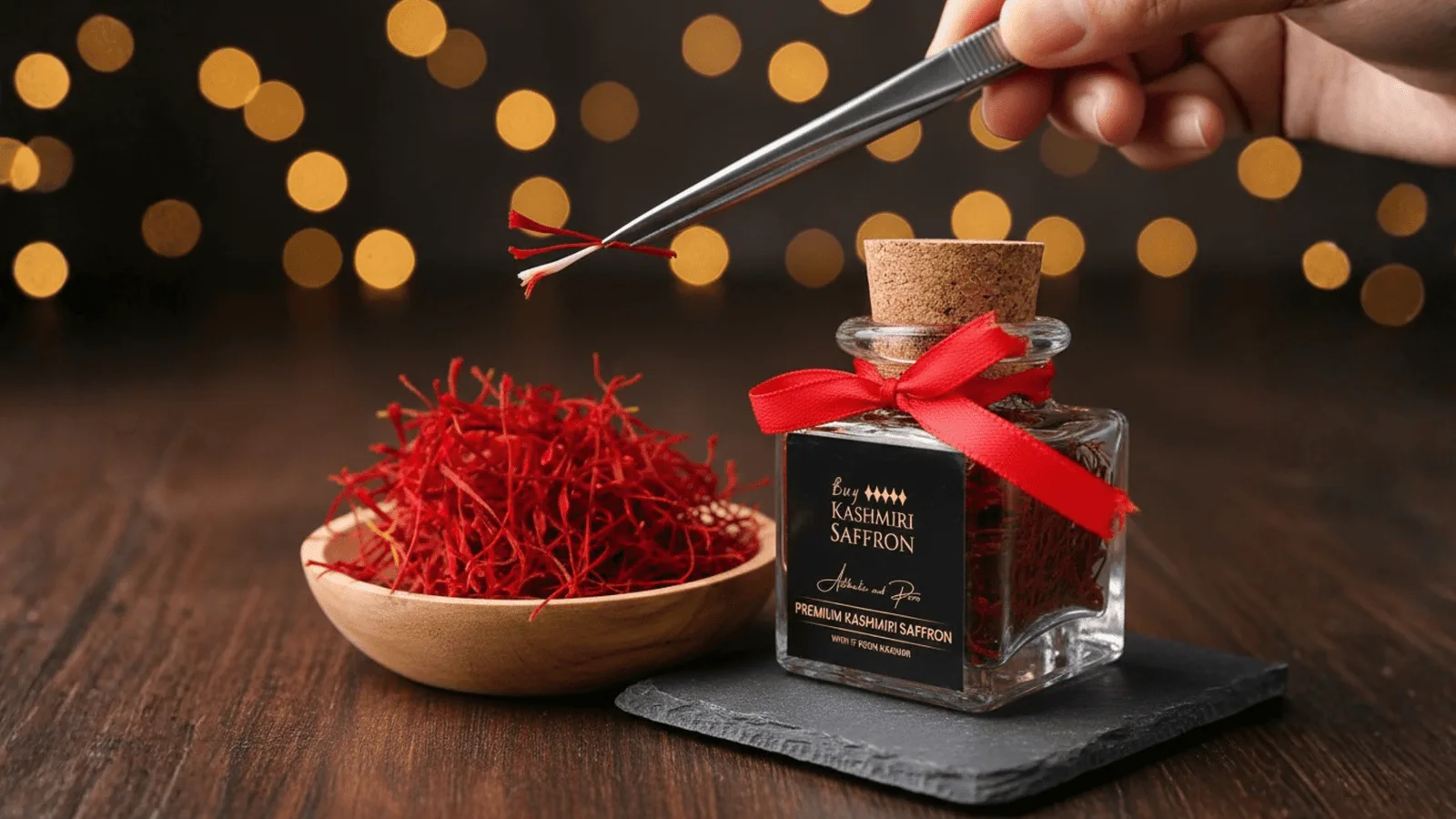
- Thread Length: 2-3 cm long, unbroken stigmas
- Thread Shape: Slightly curved, trumpet-shaped stigmas
- Surface Texture: Slightly rough, not perfectly smooth
- Thread Integrity: Stigmas should be intact, not broken or powdered
Structure Test Method:
- Examine individual threads under magnification
- Check for natural trumpet shape
- Verify thread length and integrity
- Look for natural surface texture
3. Stigma Count and Arrangement
Authentic saffron has specific stigma characteristics:
- Stigma Count: Three stigmas per flower (natural arrangement)
- Attachment Point: Natural attachment to style (white/yellow base)
- Separation: Stigmas should separate naturally, not break artificially
- Base Colour: White or pale yellow at attachment point
Aroma and Flavour Tests
1. Aroma Assessment
Genuine Kashmiri saffron has a distinctive, complex aroma:
- Primary Aroma: Strong, distinctive floral fragrance
- Secondary Notes: Honey, hay, and earth undertones
- Aroma Intensity: Powerful, long-lasting fragrance
- Complexity: Multi-layered, not one-dimensional
Aroma Test Method:
- Take a small pinch of saffron threads
- Rub gently between fingers to release aroma
- Smell immediately for maximum fragrance
- Note the complexity and intensity of the aroma
2. Flavour Profile Analysis
Authentic Kashmiri saffron has a unique taste profile:
- Primary Taste: Bitter with subtle sweetness
- Secondary Notes: Floral, honey-like undertones
- Aftertaste: Lingering, pleasant flavour
- Complexity: Rich, multi-dimensional taste
Flavour Test Method:
- Place 2-3 threads on tongue
- Allow to dissolve slowly
- Note initial taste and aftertaste
- Check for natural bitterness and complexity
Physical Authenticity Tests
1. Water Solubility Test
This is one of the most reliable tests for authentic saffron:
Test Method:
- Place 5-6 saffron threads in a glass of warm water
- Wait 15-20 minutes
- Observe colour release and water colour
- Check thread appearance after soaking
Expected Results:
- Water Colour: Golden-yellow, not red or orange
- Colour Release: Gradual, natural colour release
- Thread Appearance: Threads maintain shape and colour
- No Dye Bleeding: No artificial colour bleeding
https://www.youtube.com/watch?v=rstIU96WRDo
2. Rubbing Test
This test reveals the natural properties of authentic saffron:
Test Method:
- Take 3-4 saffron threads
- Rub gently between thumb and forefinger
- Observe colour transfer and texture
- Check for natural staining properties
Expected Results:
- Colour Transfer: Golden-yellow stain on fingers
- Texture: Slightly oily, not powdery
- Stain Quality: Natural, not artificial colour
- Washability: Stain washes off easily with soap
3. Float Test
Authentic saffron has specific floating characteristics:
Test Method:
- Drop saffron threads into a glass of water
- Observe initial floating behavior
- Wait 5-10 minutes
- Check final position and appearance
Expected Results:
- Initial Float: Threads may float initially
- Gradual Sinking: Natural sinking over time
- Colour Release: Gradual colour diffusion
- No Sudden Changes: Natural, gradual behavior
Chemical Authenticity Tests
1. Potassium Hydroxide Test
This chemical test can reveal certain types of adulteration:
Test Method:
- Place saffron threads in a small container
- Add 2-3 drops of 10% potassium hydroxide solution
- Observe colour changes
- Note any unusual reactions
Expected Results:
- Natural Reaction: Slight colour enhancement
- No Sudden Changes: Gradual, natural response
- Thread Integrity: Threads maintain structure
- Natural Colour: Enhanced natural colour, not artificial
2. Acetone Test
This test can detect certain artificial dyes:
Test Method:
- Place saffron threads in a small container
- Add 2-3 drops of acetone
- Observe colour leaching
- Check for artificial dye release
Expected Results:
- Minimal Colour Loss: Natural colour retention
- No Sudden Bleeding: Gradual, natural colour release
- Thread Appearance: Maintains natural structure
- Natural Behavior: Expected natural response
Common Counterfeit Methods
1. Artificial Colouring
Counterfeiters often use artificial dyes to mimic saffron colour:
- Red Dyes: Artificial red colouring agents
- Orange Dyes: Synthetic orange pigments
- Food Colouring: Common food dyes
- Textile Dyes: Industrial dye products
Detection Methods:
- Check for unnaturally bright colours
- Test water solubility
- Look for colour bleeding
- Examine under magnification
2. Adulteration with Other Materials
Common adulterants include:
- Marigold Petals: Dried marigold flower parts
- Turmeric: Ground turmeric root
- Corn Silk: Dried corn silk strands
- Paper Strips: Dyed paper or cardboard
- Other Flowers: Various dried flower parts
Detection Methods:
- Examine thread structure
- Check aroma and flavour
- Test water solubility
- Look for unnatural textures
3. Saffron Powder Adulteration
Ground saffron is particularly vulnerable to adulteration:
- Filler Materials: Rice flour, cornstarch, or other powders
- Colour Additives: Artificial dyes and pigments
- Flavour Enhancers: Artificial flavouring compounds
- Preservatives: Chemical preservatives
Detection Methods:
- Check for uniform powder consistency
- Test aroma and flavour
- Examine under magnification
- Verify source and certification
Where to Buy Authentic Kashmiri Saffron
1. Trusted Online Sources
Reputable online retailers include:
- Official Websites: Direct from Kashmir producers
- Certified Retailers: Authorized distributors
- Specialty Stores: Premium spice retailers
- Verified Platforms: Trusted e-commerce sites
2. Physical Store Options
Local sources for authentic saffron:
- Specialty Spice Shops: Dedicated spice retailers
- Indian Grocery Stores: Traditional grocery markets
- Premium Supermarkets: High-end grocery chains
- Farmer's Markets: Direct from local producers
3. Recommended Source
For guaranteed authentic Kashmiri saffron, purchase from
buykashmirisaffron.com. Their commitment to authenticity, quality certification, and customer satisfaction ensures you receive premium Kashmiri saffron that meets the highest standards.
4. What to Look for When Buying
Essential factors to consider:
- Certification: Kashmir GI tag and organic certifications
- Origin Verification: Clear indication of Kashmir origin
- Quality Guarantee: Money-back guarantee or quality assurance
- Customer Reviews: Positive feedback from verified customers
- Return Policy: Clear return and refund policies
Storage and Preservation Tips
1. Optimal Storage Conditions
Proper storage ensures saffron maintains its quality:
- Container: Airtight glass or metal containers
- Temperature: Cool, dark location (15-20°C)
- Humidity: Below 60% relative humidity
- Light Exposure: Minimal to no direct light
- Air Exposure: Limited oxygen contact
2. Long-term Preservation Techniques
For extended storage of premium saffron:
- Vacuum Sealing: Remove air from storage containers
- Desiccant Packs: Include silica gel packets to absorb moisture
- Freezer Storage: Store in freezer for periods exceeding 2 years
- Regular Inspection: Check for colour and aroma changes monthly
- Rotation System: Use older batches first to maintain freshness
3. Signs of Deterioration
Watch for these indicators of saffron quality decline:
- Colour Changes: Fading or dulling of natural colour
- Aroma Loss: Reduced or changed fragrance
- Texture Changes: Brittle or powdery consistency
- Flavour Degradation: Reduced taste intensity
- Mold Growth: Visible mold or moisture damage
Frequently Asked Questions
How can I tell if saffron is real or fake?
Use multiple tests: check colour (deep red-orange with purple tinge), test aroma (strong floral fragrance), examine thread structure (2-3 cm, trumpet-shaped), perform water solubility test (golden-yellow water), and verify source authenticity. Genuine Kashmiri saffron will pass all these tests.
What colour should authentic Kashmiri saffron be?
Authentic Kashmiri saffron should be deep red-orange with a slight purple tinge. The colour should be natural and not unnaturally bright. Avoid saffron that appears fluorescent red or has uniform, artificial-looking colour.
How much should authentic Kashmiri saffron cost?
Authentic Kashmiri saffron is expensive due to its rarity and labour-intensive production. Expect to pay Rs 419-899 per gram for premium quality.
Prices significantly below this range often indicate counterfeit or adulterated products.
Can I test saffron authenticity at home?
Yes, you can perform several tests at home: water solubility test (should turn water golden-yellow), rubbing test (should leave golden stain), aroma test (strong floral fragrance), and visual examination (proper thread structure and colour).
What's the difference between Kashmiri and other saffron?
Kashmiri saffron has higher crocin content (8-12% vs 6-10%), more complex aroma profile, superior colour intensity, and unique growing conditions. It's generally considered the highest quality saffron available.
How long does authentic saffron last?
When stored properly in airtight containers in cool, dark conditions, authentic Kashmiri saffron can last 2-3 years with minimal quality loss. For longer storage, freezing can extend shelf life to 5+ years.
What should I do if I suspect my saffron is fake?
Stop using it immediately and contact the seller for a refund. Report counterfeit products to relevant authorities. For future purchases, buy from trusted sources like
buykashmirisaffron.com that guarantee authenticity.
Are there any certifications I should look for?
Yes, look for Kashmir GI tag, organic certifications, ISO quality standards, and third-party testing certifications. These provide assurance of authenticity and quality. Reputable sellers will provide these certifications upon request.
Conclusion
Learning
how to identify authentic Kashmiri saffron is essential for anyone seeking to enjoy the world's most precious spice. The investment in authentic saffron is worthwhile, as it provides superior quality, enhanced therapeutic benefits, and the assurance of consuming a pure, natural product.
By following the authentication methods outlined in this guide, you can confidently identify genuine Kashmiri saffron and avoid counterfeit products. Remember that authentic saffron commands premium prices due to its rarity and exceptional quality, but the benefits far outweigh the cost.
For guaranteed authentic Kashmiri saffron, purchase from trusted sources like
buykashmirisaffron.com. Their commitment to quality, authenticity, and customer satisfaction ensures you receive the finest saffron available.
Start with the basic visual and aroma tests, then progress to more advanced methods as you gain experience. With practice, you'll develop the expertise to quickly identify authentic saffron and enjoy its exceptional quality and benefits.
For more saffron-related content, explore our guides on
Kashmiri Saffron Price,
Saffron Dosage Guide, and
Saffron Recipes.
According to
NCBI research, authentic saffron contains significantly higher levels of beneficial compounds compared to counterfeit products. The
ScienceDirect studies confirm that geographical origin and authenticity directly impact saffron's therapeutic properties and quality.